Electromagnetic (EM) Induction

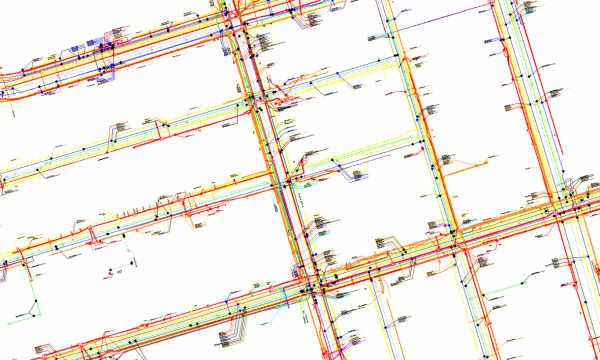
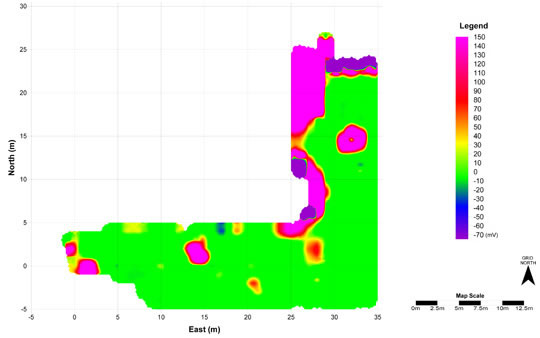
Electromagnetic (EM) Induction is the most widely used and cost-effective solution for locating and tracing buried services and discerning conductive utilities in a project area.

multiVIEW Locates leverages the most advanced Electromagnetic (EM) Induction tools available to locate a wide range of underground assets including:

  • fibre communications
  • high-voltage electricity
  • high-pressure gas mains
  • water and sewer pipes
  • switches
  • pressure plates
  • other complex infrastructure

How does Electromagnetic (EM) Induction work?

Electromagnetic (EM) Induction consists of two steps.

  1. A transmitter is used to transfer an alternating electrical current to a pipe or wire to be located.
  2. A receiver that is used to analyze the transmitted signal, and localizes the position of the pipe or wire.

Types of Electromagnetic (EM) Induction signal application techniques include:

  • Straight Induction: No connection to utility hardware, the transmitter is placed over the position of the suspected utility and the field is induced onto the target line by “spilling” the electromagnetic field through the earth and onto the utility.
  • Direct Connect: A signal lead cable from the transmitter is attached to a piece of utility hardware that is connected to the target line. A ground lead attached to a grounding stake allows the signal to return to the transmitter, thus setting up an electric circuit (this is required since without a complete circuit, no field is generated around the pipe or cable).
  • Induction Clamp: The clamp is placed around conduits or exposed cables and is generally used for tracing electrical or telecom cabling. Coils of wire in the clamp are energized by the transmitter and produce a magnetic field that is transferred onto the cable. The cable being traced must be fully grounded at both ends of the line in order for this method to be effective.

Informative Image showing a multiVIEW Utility Locating Technician walking along a gravel industrial location parking lot holding a straight induction Electromagnetic (EM) Induction unit.

Limitations to Electromagnetic (EM) Induction

There are certain limitations involved with Electromagnetic (EM) Induction. It cannot:

  • be used in proximity to aboveground obstructions such as buildings and fences
  • induce a signal in a non-metallic conduit
  • travel down a broken tracer wire
  • be used on a metal conduit that lacks a good metal-to-metal contact
  • provide exact target depth, shape, and orientation

A good alternative to such scenarios would be to couple or replace survey technology with a Ground Penetrating Radar (GPR) solution.

As a trusted partner in Utility Engineering, Geophysics and Infrastructure Data Collection, multiVIEW is guided by core values that shape how we work, make decisions and deliver project information.

35+ years industry experience

Decades of experience provide multiVIEW with the technical depth and practical insight to deliver greater value to our customers.

Commitment to quality

Our Quality Management System (QMS) guides consistent project execution, technical review and delivery across multiVIEW.

Fast, flexible & responsive

Our flexible resourcing model supports changing project demands, extended coverage and responsive delivery across a wide range of project requirements.

Dedicated to training & safety

We invest in continuous improvement through ongoing technical, operational and Health & Safety training, supported by established HS&E policies and procedures.

Qualified, dedicated project partners.

A full suite of Utility Engineering, Geophysics and Infrastructure Data Collection services backed by our focus on Safety, Quality and Customer Excellence.