The Risk of Reducing Quality Level B Too Far in Subsurface Utility Engineering
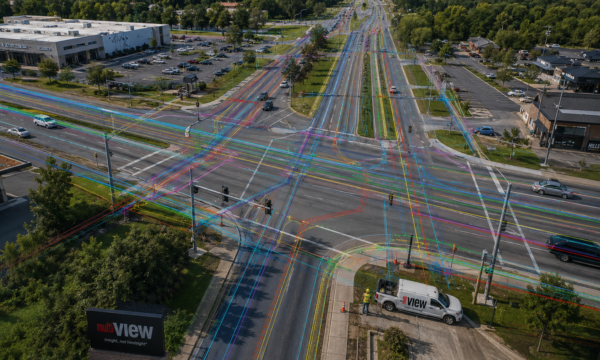
Infrastructure teams are under pressure to manage cost, reduce uncertainty, and make better design decisions earlier. That includes taking a closer look at how Subsurface Utility Engineering, or SUE, is scoped.
That review is important. SUE should not be treated as a generic requirement or applied the same way on every project. The scope should reflect the design stage, available records, utility complexity, project constraints, and the decisions the project team needs to make.
But there is a risk in reducing Quality Level B too far.
Years ago, some projects moved toward broad Level B investigations across large project limits without enough consideration of where the data would actually influence design. In
those cases, cost and value were not always aligned. The answer, however, is not to cut Level B to the absolute minimum. The better answer is targeted, flexible, design-aware SUE.
Quality Level B Supports More Than Utility Locating
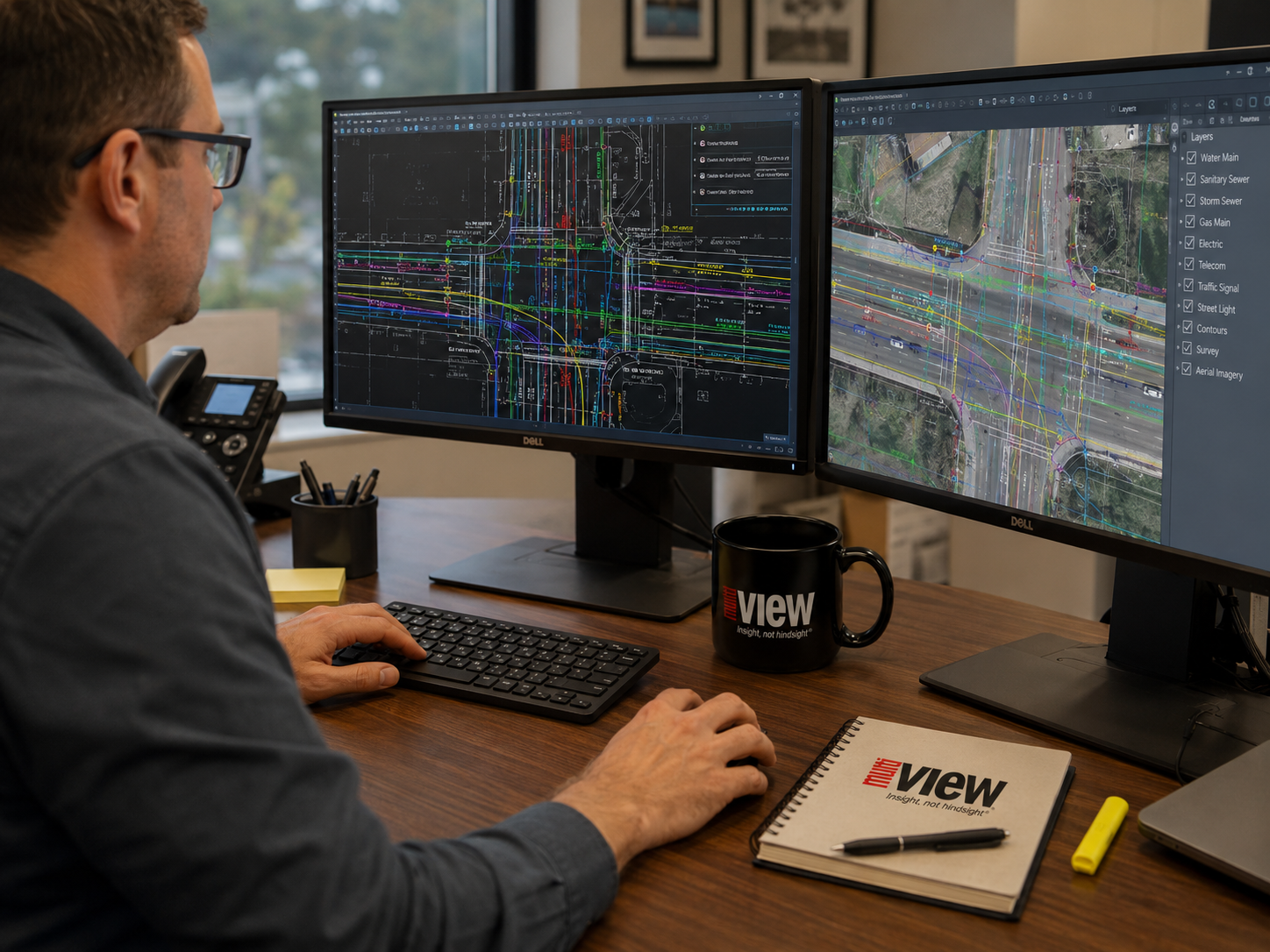
Quality Level B is commonly associated with surface geophysical methods used to identify and map the approximate horizontal position of subsurface utilities. Under ASCE 38-22, utility quality levels are intended to communicate the reliability of utility information so that design and construction teams can better understand uncertainty, limitations, and appropriate use. ASCE’s updated utility engineering standard reinforces the importance of clear investigation, documentation, and communication of existing utility information. (asce.org)
Level B does not replace Quality Level A test holes, and it does not typically provide the same precision for depth, material, size, or vertical clearance. But it performs a different function: it gives the design team a broader field-based view of the underground utility environment before the design is locked in.
The Federal Highway Administration describes SUE quality levels as a way to manage project uncertainty by matching the quality of utility information to the needs of the project. (fhwa.dot.gov) In that context, the question should not be, “How do we collect less Level B?” The better question is, “Where does Level B information protect the design process from avoidable uncertainty?”
The Cost of Too Little Level B Often Appears Later
When Level B is scoped too narrowly at the beginning of a project, the initial budget may look better. But the project may simply be pushing uncertainty into later design stages.
A utility conflict may not be identified until the design has already advanced. A proposed alignment may appear workable based on records, only to become problematic when better utility information is collected later. A test hole program may be planned too narrowly because the broader utility field was never properly understood.
These issues can lead to redesign, additional field mobilizations, delayed approvals, utility coordination challenges, construction-phase change orders, and avoidable claims.
The cost of the original Level B investigation is easy to see. The cost of not having enough Level B data early enough is often hidden until much later.
Records Are Important, But They Are Not Field Verification
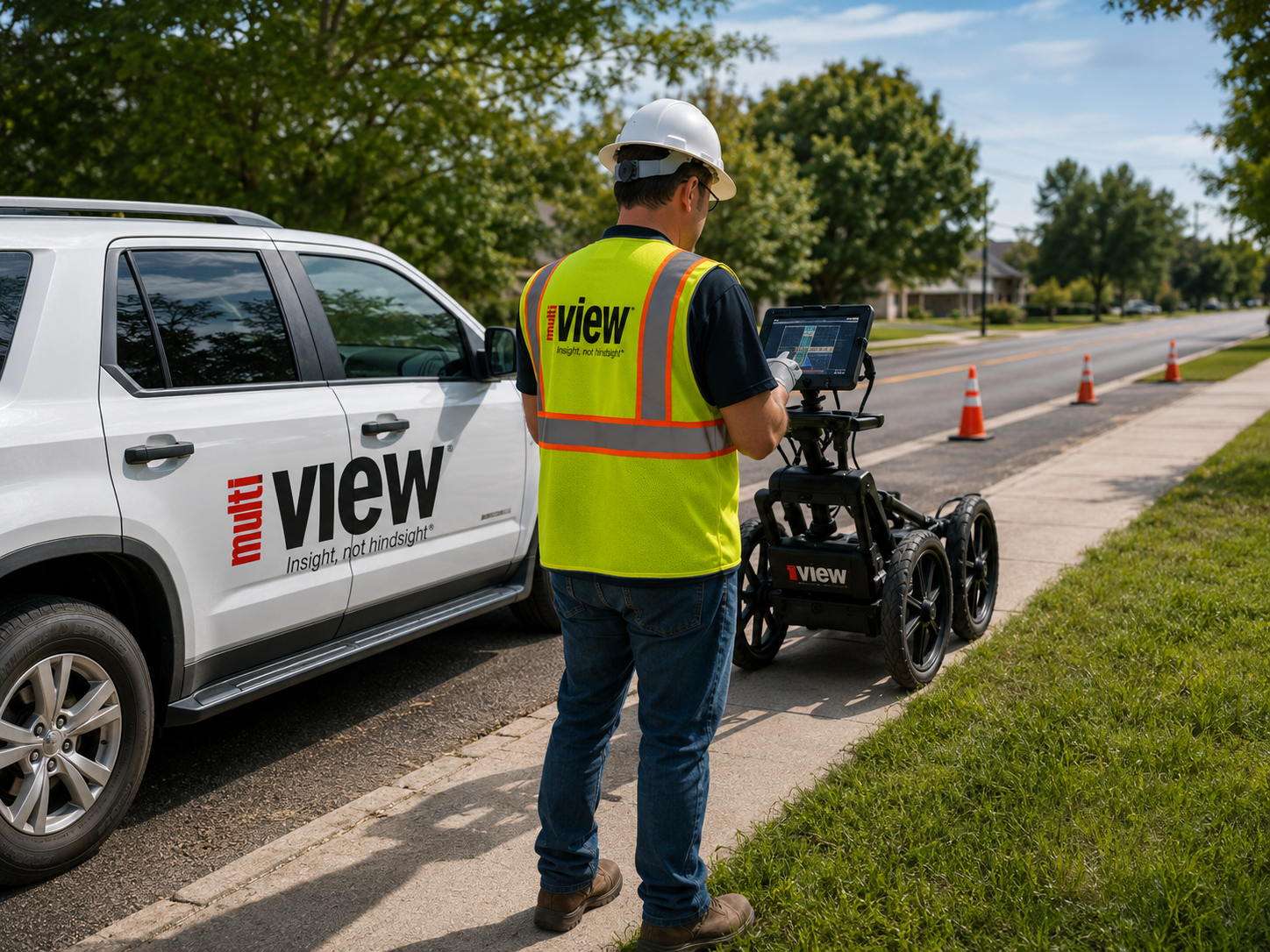
Utility records remain an important starting point. Design circulation to utility owners, existing drawings, as-builts, and historical utility plans can all help establish the known utility environment.
But records are not field verification.
Records can be incomplete, outdated, schematic, or inconsistent with actual field conditions. Utility owner responses can vary in detail and timing. Some infrastructure may have been installed, abandoned, relocated, repaired, or modified without complete record updates.
This is where Level B provides value. It gives the design team a field-based understanding of horizontal utility presence and alignment that can be compared against records and visible surface features.
Level A Is Critical, But It Cannot Replace Level B
Quality Level A test holes are essential when precise utility information is needed. They are especially valuable where depth, elevation, size, material, clearance, or exact location will directly affect design or construction decisions.
But Level A is not a practical replacement for a well-planned Level B investigation.
Test holes are point-specific. They answer important questions at specific locations. They do not, by themselves, provide a broad understanding of the utility network across a changing design corridor or project footprint.
Without sufficient Level B information, test hole locations may be selected based on incomplete assumptions. As the design evolves, new conflict points may emerge outside the original test hole areas, requiring additional mobilizations and schedule adjustments.
Level B helps the project team understand where the utilities appear to be. Level A confirms critical points where precision is required. The strongest SUE programs use both.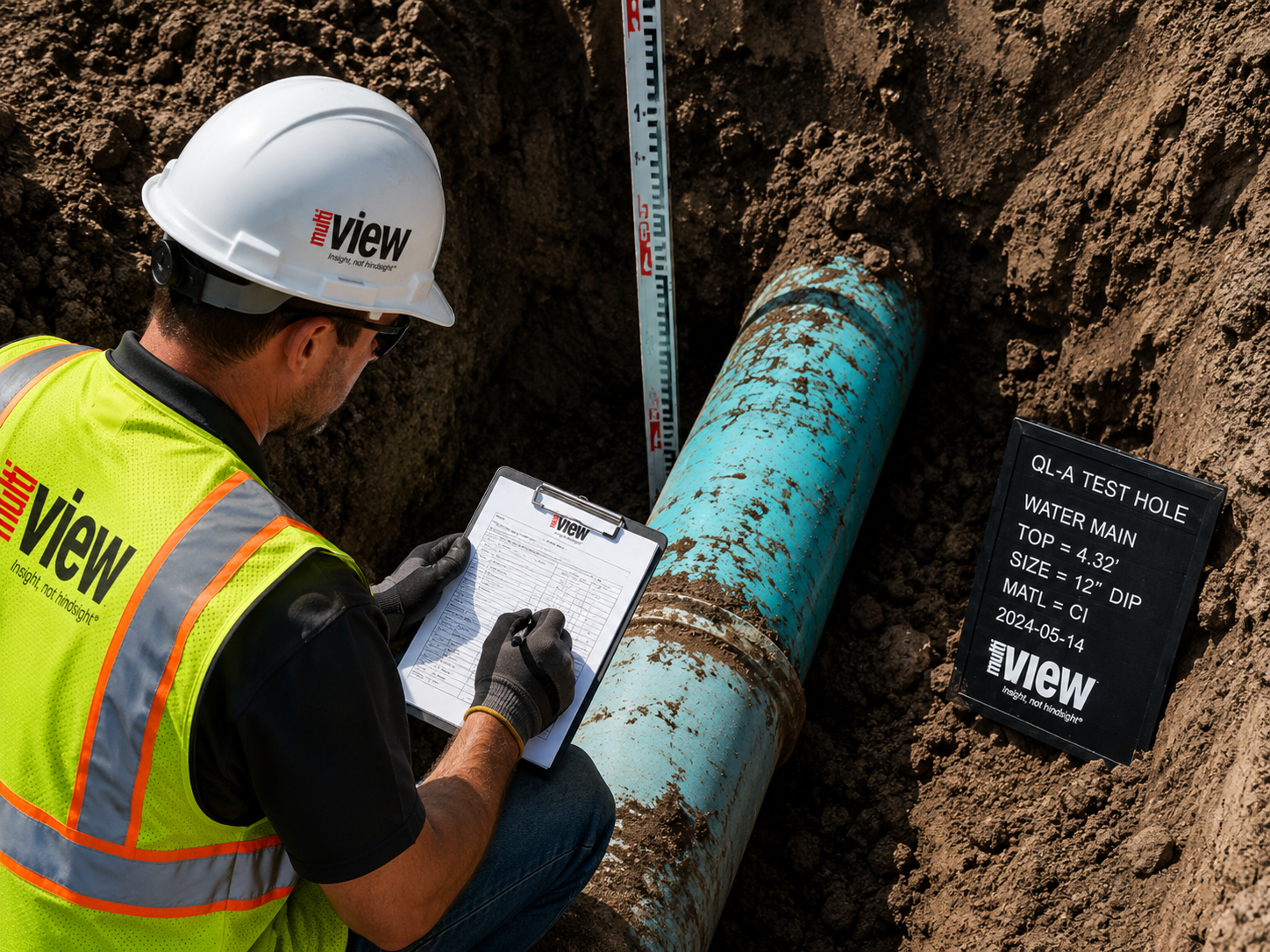
Designs Change — The SUE Scope Should Anticipate That
Early in a project, the final design is rarely fixed. Alignments shift. Grading is refined. Drainage solutions move. Structures expand. Utility relocation strategies evolve. Construction staging changes.
If Level B is scoped only to the narrowest version of the early concept, the project may lose visibility as soon as the design changes.
A slightly broader Level B investigation can provide the design team with room to adapt. It can support alternate alignments, revised grading, future relocation options, staging changes, and constructability reviews without requiring the project to restart utility investigation each time the design moves.
That does not mean Level B should be collected everywhere. It means the scope should be wide enough to reflect realistic design movement, not just the first line drawn on a plan.
Better Targeting, Not Under-Scoping
Effective SUE cost management should include:
- Reviewing the likely design envelope, not just the current concept line
- Identifying areas where the design may shift
- Considering construction staging, grading, drainage, access, and utility relocation needs
- Using records and surface features to guide the investigation
- Applying Level B where horizontal utility certainty can support design flexibility
- Reserving Level A for critical points where precise exposure is required
The Common Ground Alliance describes SUE as a practice applied through planning and design in accordance with quality levels found in ASCE 38-22. (bestpractices.commongroundalliance.com) That layered approach remains important: Quality Level D records, Quality Level C visible features, Quality Level B field-based horizontal information, and Quality Level A confirmation at critical points.
Conclusion
The industry is right to ask better questions about SUE scope, cost, and value. Level B should be targeted. It should be connected to project constraints. It should support the decisions the project team needs to make.
But reducing Level B too far can create its own cost problem.
Too little Level B at the onset may leave the design team dependent on records, assumptions, and isolated test holes. That can limit flexibility, increase the chance of late-stage conflicts, and create avoidable cost and schedule impacts as the project evolves.
The best outcome is not more SUE for its own sake. It is the right utility information, at the right time, at the right quality level, to support better design decisions.